
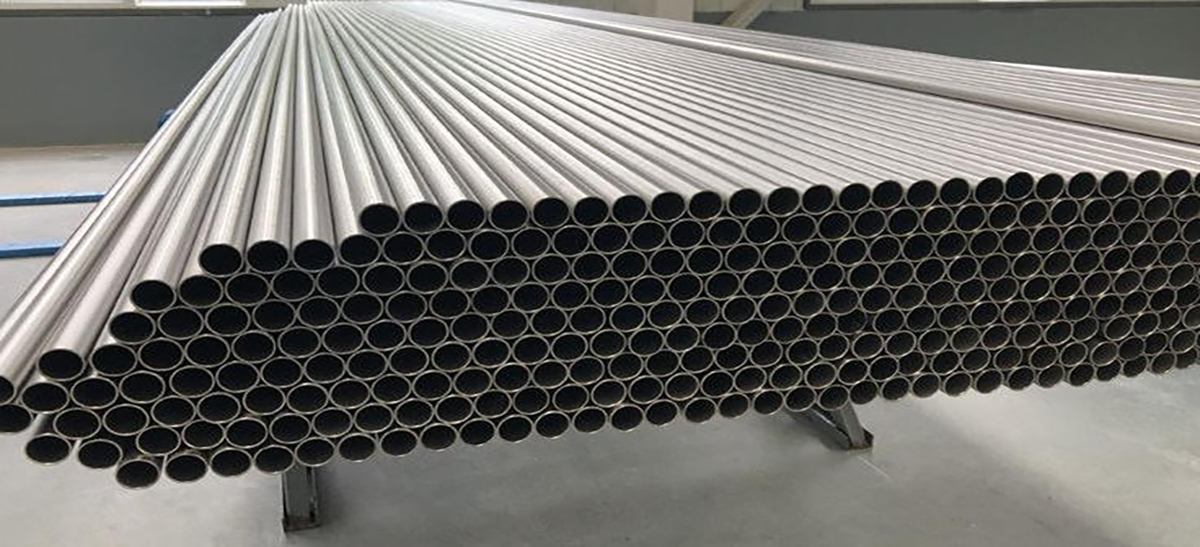
Introduction to niobium tube!
Niobium tube (pure niobium/niobium alloy tubing), a refractory metal tubing with high melting point, strong corrosion resistance, and superconducting properties, is widely used in the industrial field...
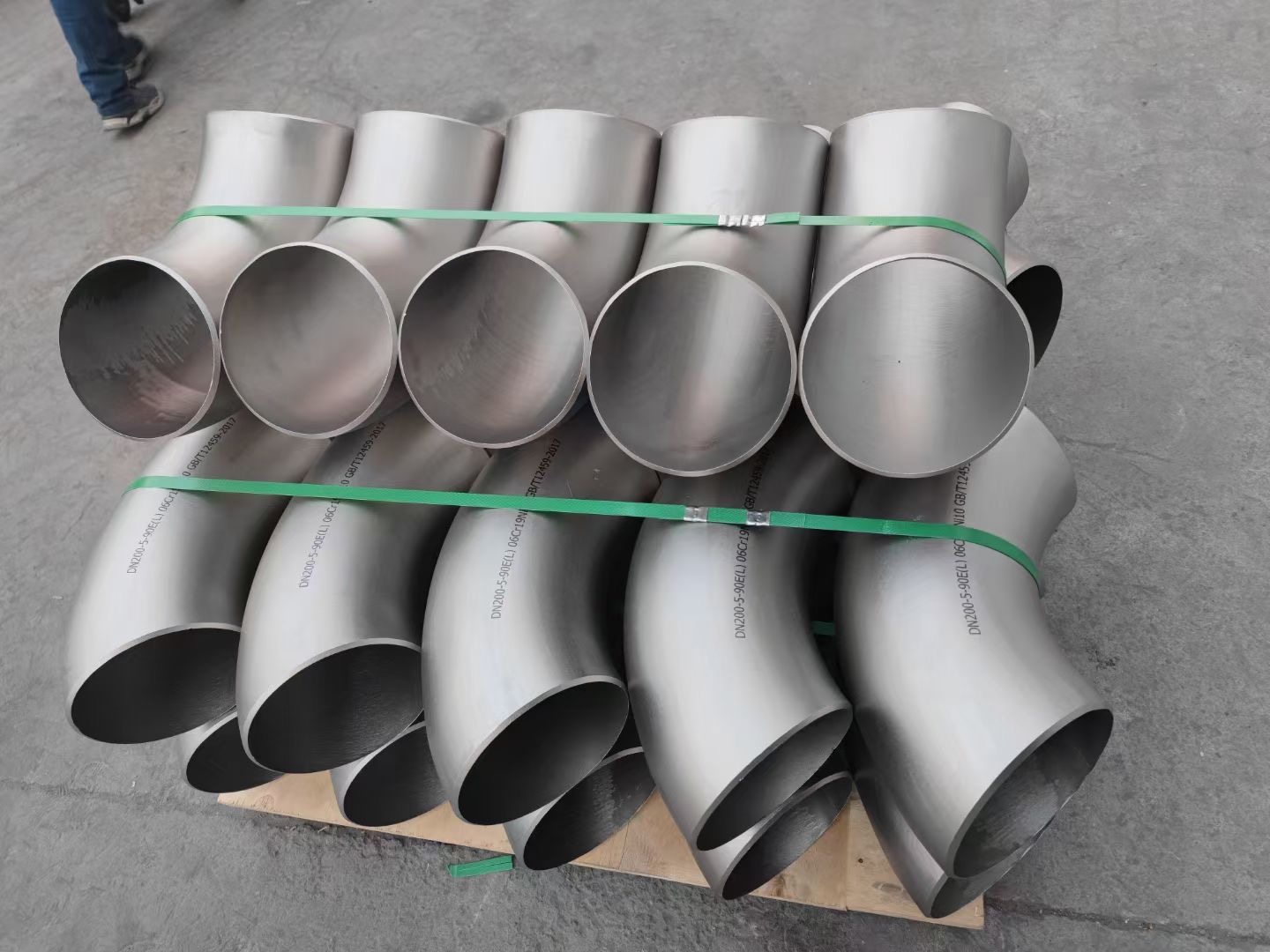
Why do chemical industries and seawater desalination prefer titanium pipe fittings?
1. Strong corrosion resistance, especially to chloride ion corrosionOrdinary stainless steel is prone to pitting and perforation in environments containing salt, chlorine, acids, and alkalis.A dense a...
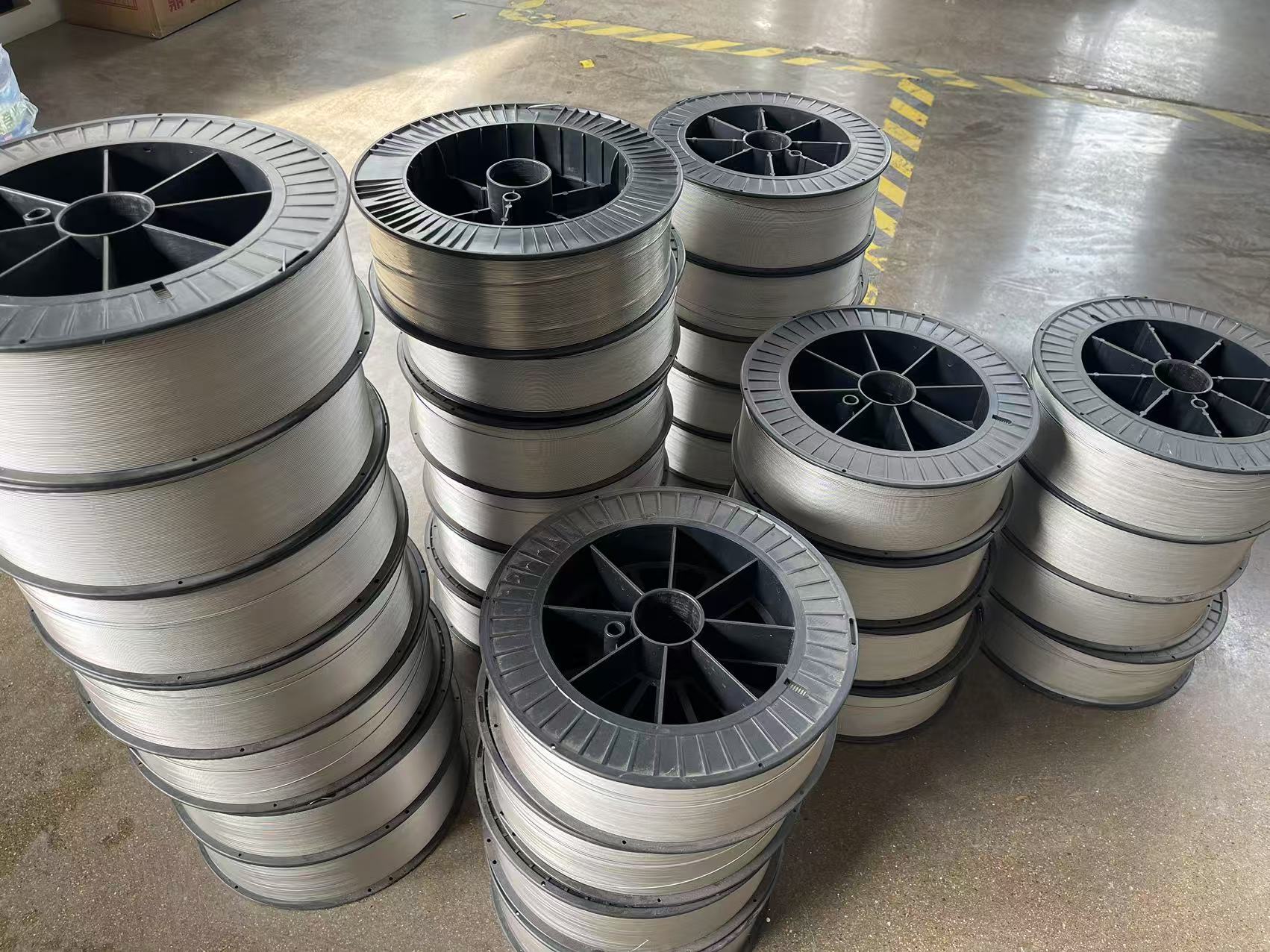
Titanium wire drawing technology!
Core technology of titanium wire drawing (cold drawing)1. Applicable materialsPure titanium and titanium alloy wires such as TA1, TA2, and TC4 typically have diameters ranging from 0.1mm to 8mm.II. Pr...
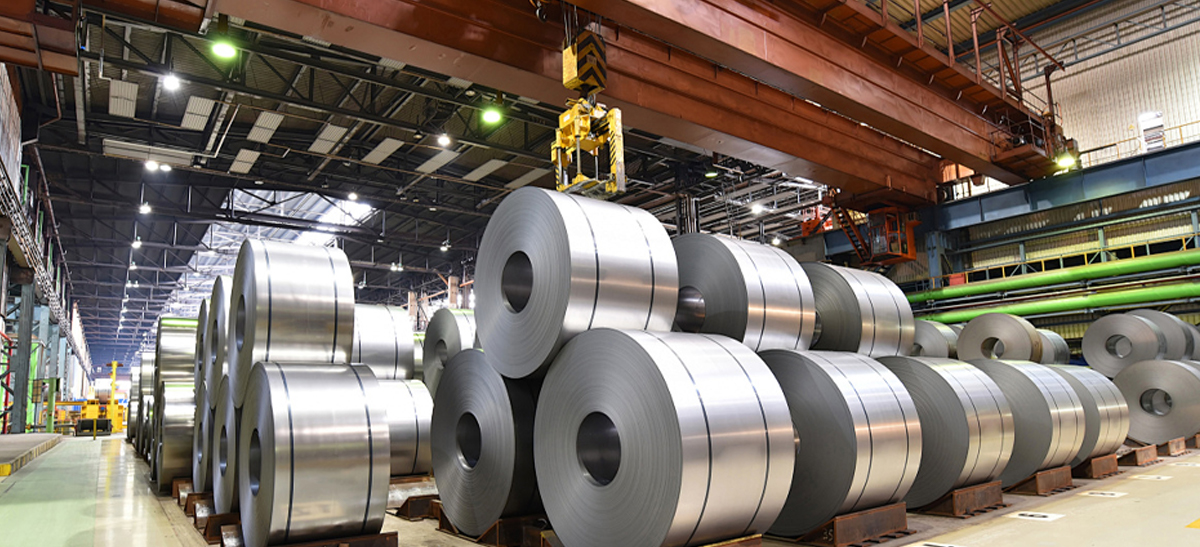
What are the main industries where titanium plates are used?
Chemical / Petrochemical IndustryTitanium plates are used in reactors, storage tanks, towers, acid-base pipelines, and flue gas desulfurization devices, relying on their strong corrosion resistance to...
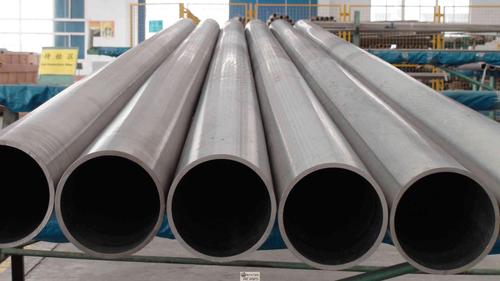
Key characteristics of titanium tube material!
Strong corrosion resistanceIt is resistant to corrosion in complex media such as seawater, acids and alkalis, salt spray, and wet chlorine gas, and is far superior to stainless steel and copper materi...
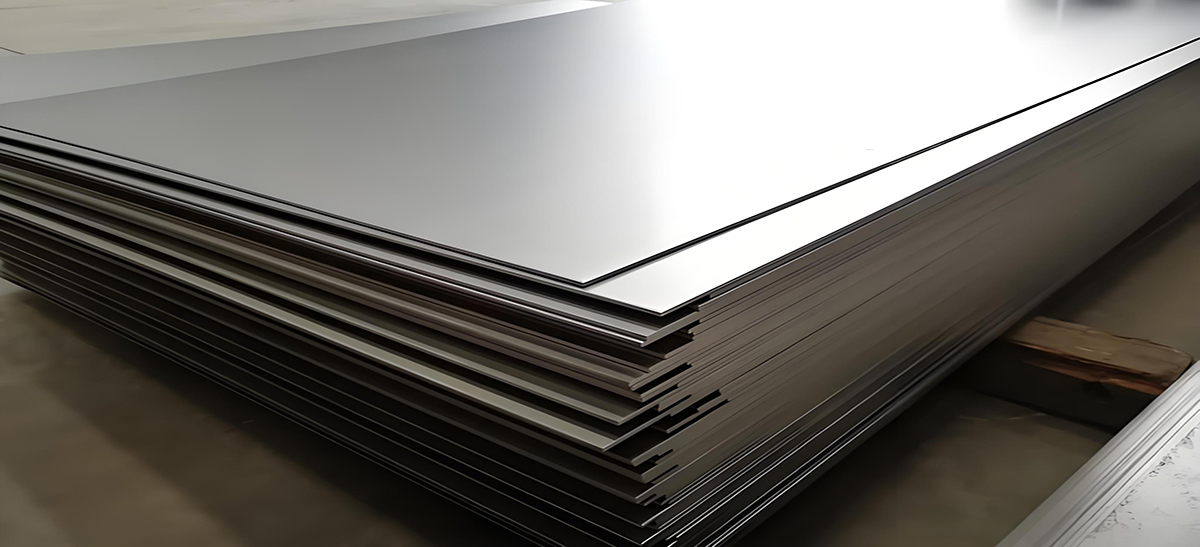
Comprehensive Analysis of Electrolytic Nickel Plates: Understanding Nine Core Application Fields in One Article!
Electrolytic nickel plates are high-purity nickel metal sheets produced through electrolytic refining using nickel ore and nickel sulfate as raw materials. The mainstream types include GB 1# electroly...
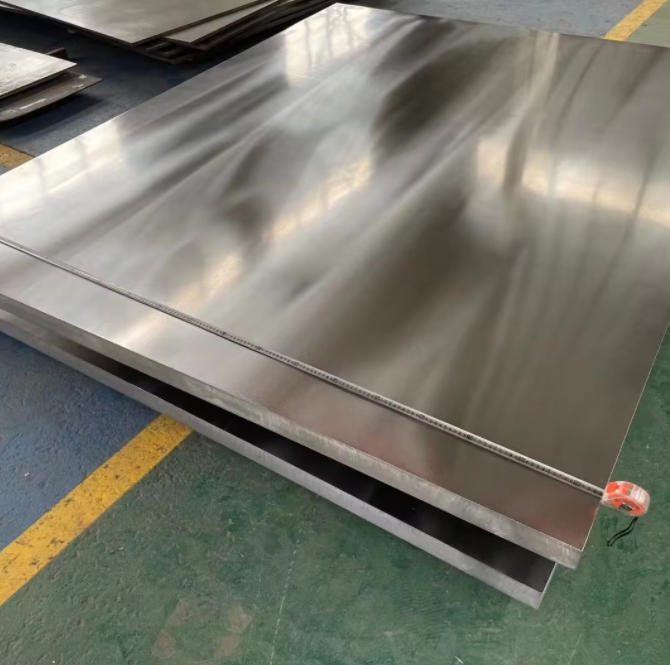
Differentiating between Ni200/N6 pure nickel plates, no more pitfalls in material selection!
1. Basic definition of materialN6 and Ni200 belong to the same series of industrial pure nickel. The national standard N6 corresponds to the American standard Ni200. Both have a core substrate of high...
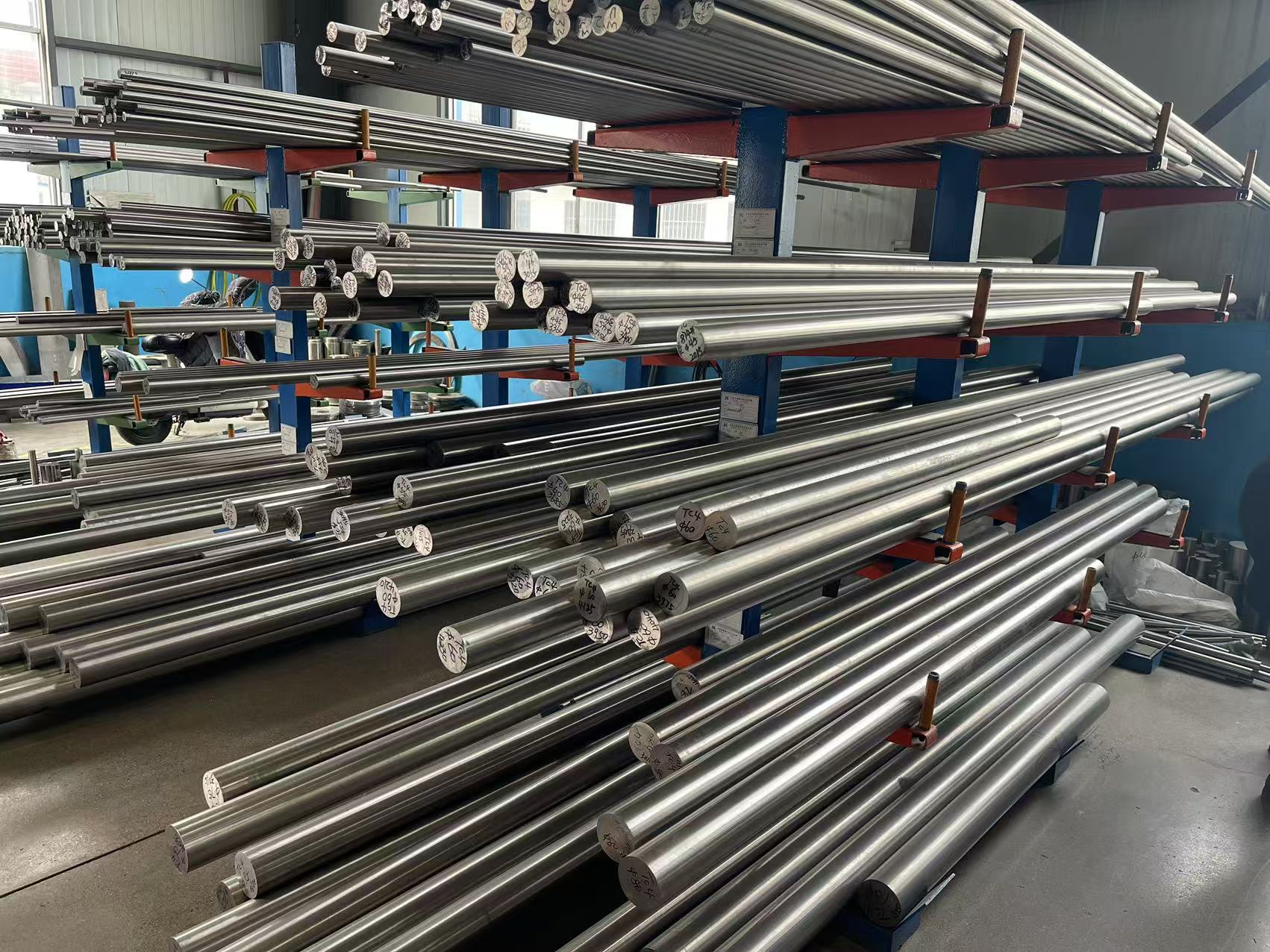
Surface treatment process of titanium rod!
The core of surface treatment for titanium rods lies in removing oxidation and contaminating layers, and enhancing smoothness and corrosion resistance.Complete process of titanium rod surface treatmen...
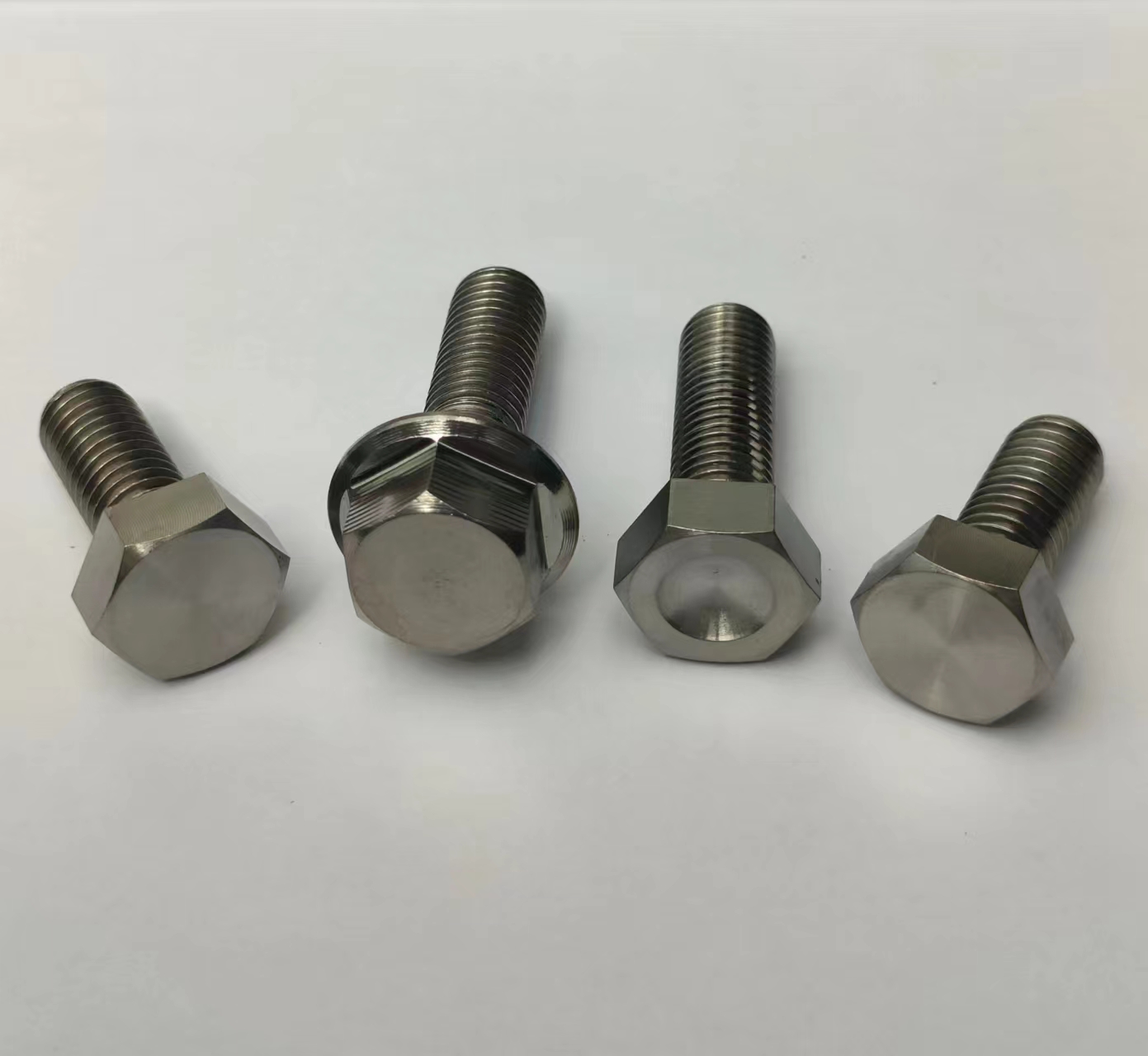
Introduction to the characteristics of nickel screws!
Nickel screws are primarily made of pure nickel N4 and N6 materials, as well as Monel and other nickel-based alloy materials. Due to their strong corrosion resistance and stable chemical properties, t...
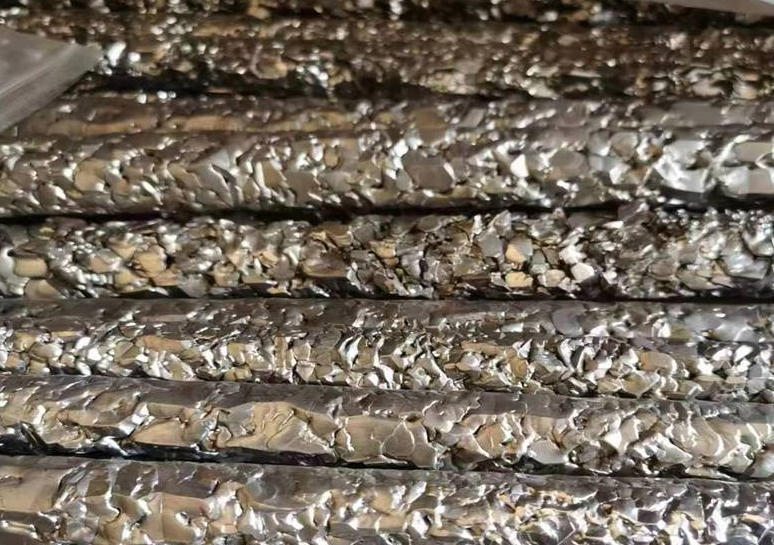
Formation of crystalline zirconium!
The formation of crystalline zirconium falls into two major categories: natural crystallization and industrial artificial crystallization. The core lies in enabling the zirconium element to form a reg...
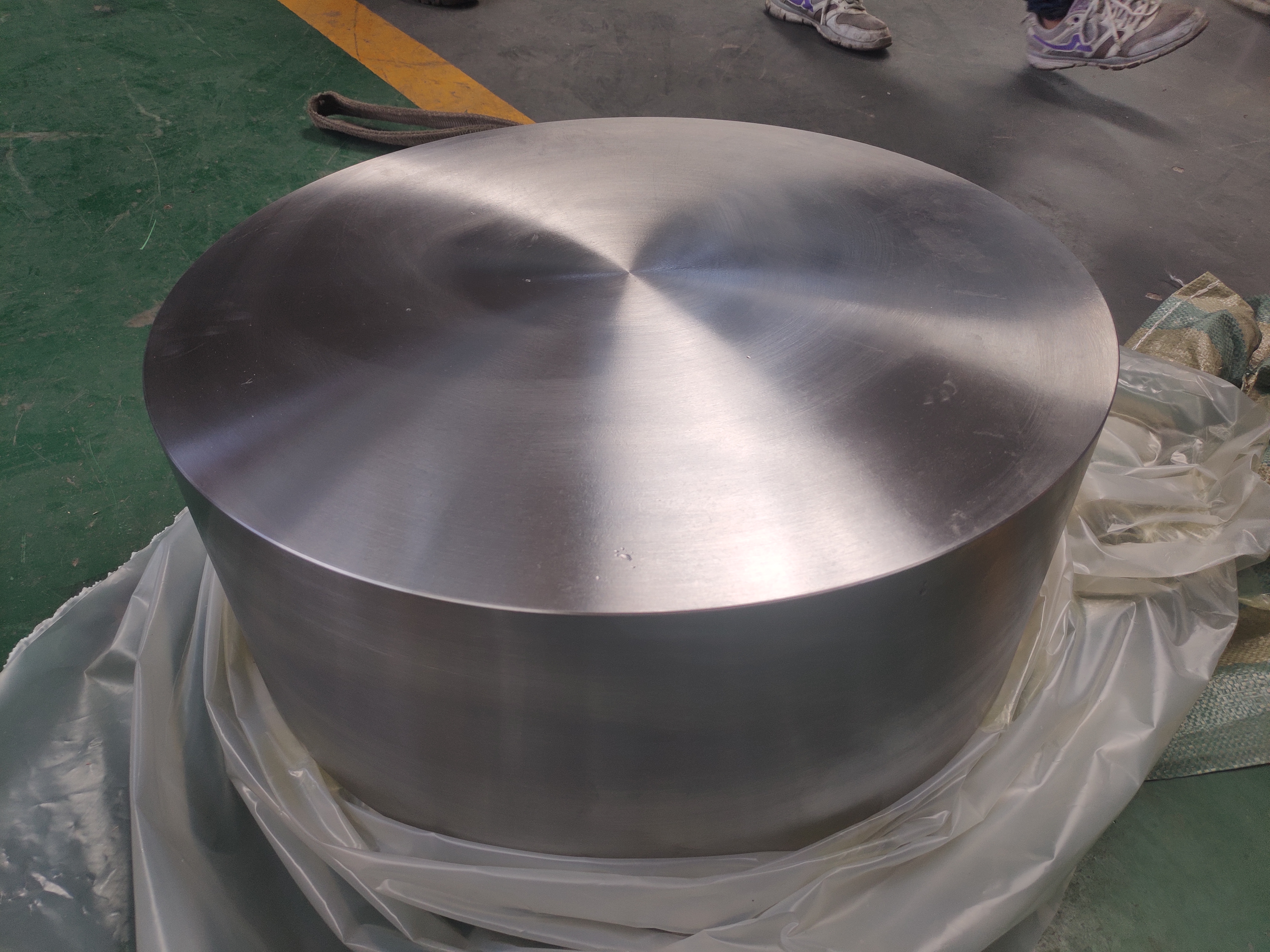
The difference between titanium alloy forgings and pure titanium forgings!
Pure titanium forgings primarily consist of titanium, with only trace amounts of impurities such as oxygen and iron. Common grades include TA1 and TA2. Titanium alloy forgings, on the other hand, inco...
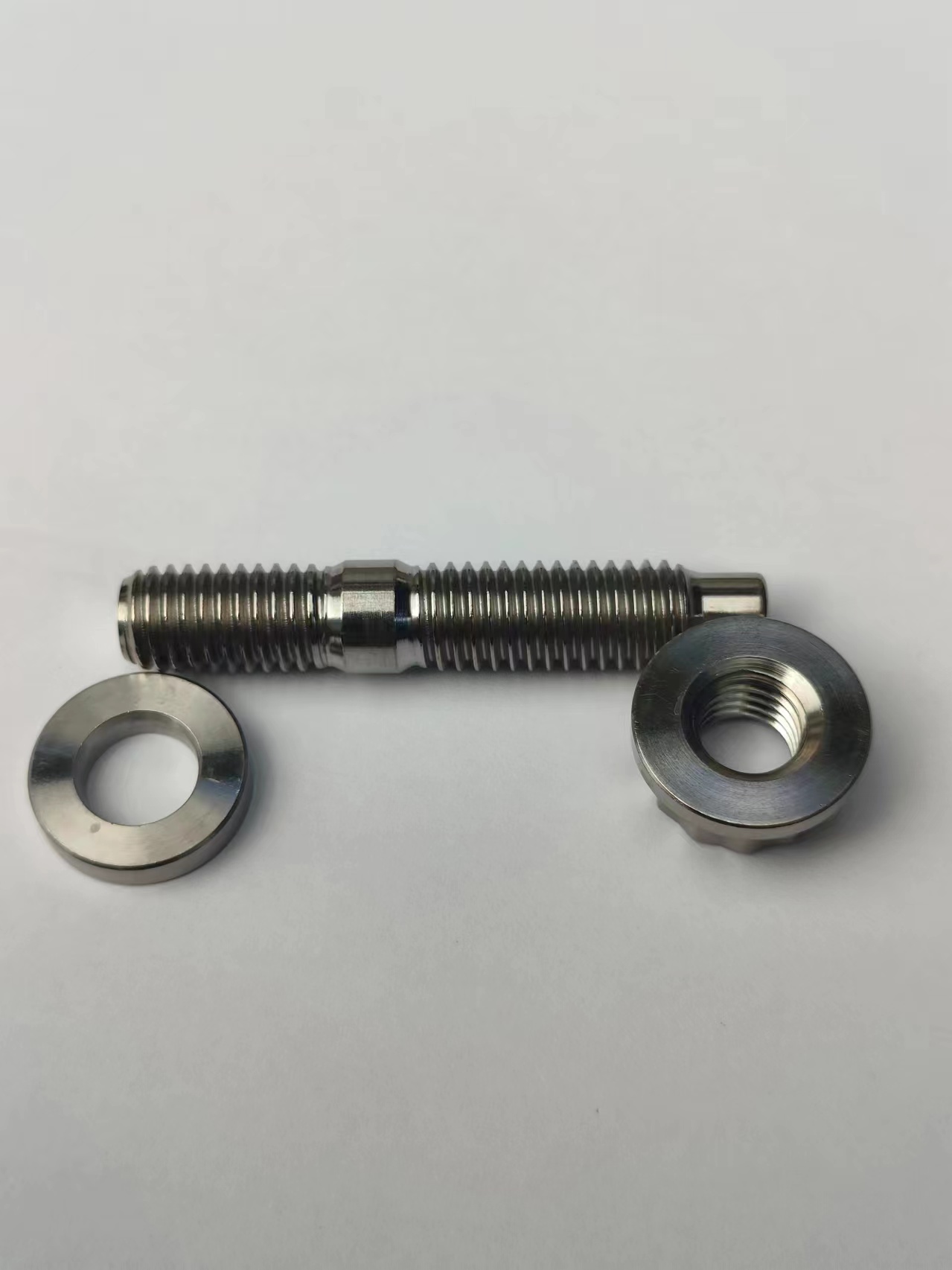
Introduction to titanium screw processing technology!
The mainstream titanium screws are produced through two process routes: cold/warm upsetting for large-scale production and CNC precision turning for small-scale production. Common raw materials includ...

